- ADDDitive: Building The Digital Architect
- Posts
- Why Architects Feel Overwhelmed by Software
Why Architects Feel Overwhelmed by Software
Discovering the tools, workflows, and decisions shaping modern architectural practice

Allister Lewis
January 14, 2026
In partnership with

Help us make better ads

Did you recently see an ad for beehiiv in a newsletter? We’re running a short brand lift survey to understand what’s actually breaking through (and what’s not).
It takes about 20 seconds, the questions are super easy, and your feedback directly helps us improve how we show up in the newsletters you read and love.
If you’ve got a few moments, we’d really appreciate your insight.
Why more tools often make teams slower and how uncertainty drives manual work.
Architects aren’t short on tools.
They’re short on confidence about which decisions actually matter.
This week, I’ve been speaking with practices exploring software overload, and a familiar pattern keeps appearing:
teams are investing time and money into software without clarity on ownership, workflow fit, or downstream impact.
This isn’t a tooling problem.
It’s a decision-making problem.
When teams don’t know:
1/ who is responsible for acting
2/ whether information can be trusted
3/ or what happens if the “wrong” tool is chosen
They default to caution - manual checks, duplicated effort, parallel workflows.
In this issue, I want to unpack software selection, what it’s really solving, and where architects often misjudge value.
What Sparked the Most Discussion This Week
Here’s what resonated most:
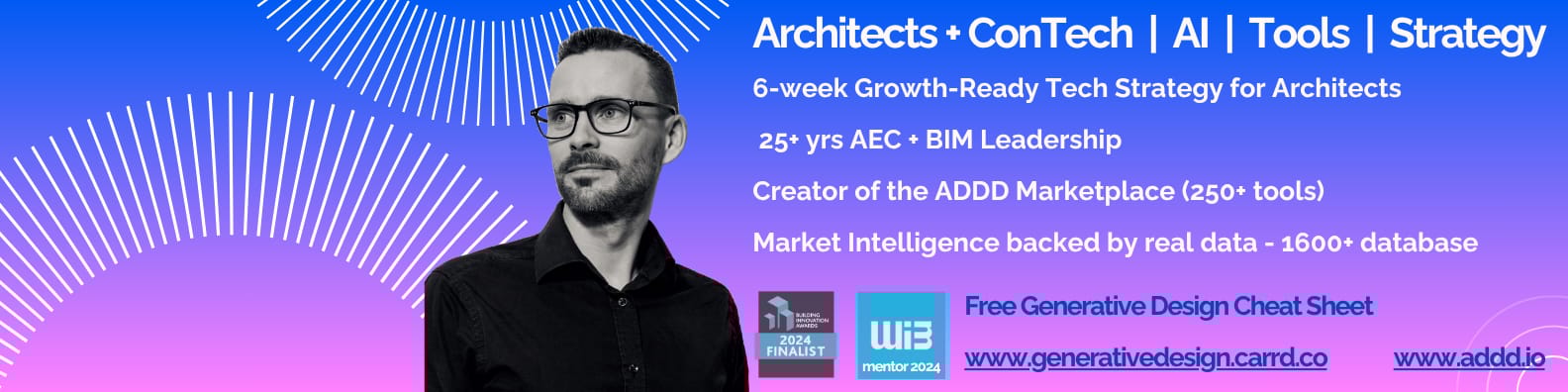
Architects aren’t short on software options.
They’re short on confidence about which decisions actually matter.

Click here to see the full post: LinkedIn
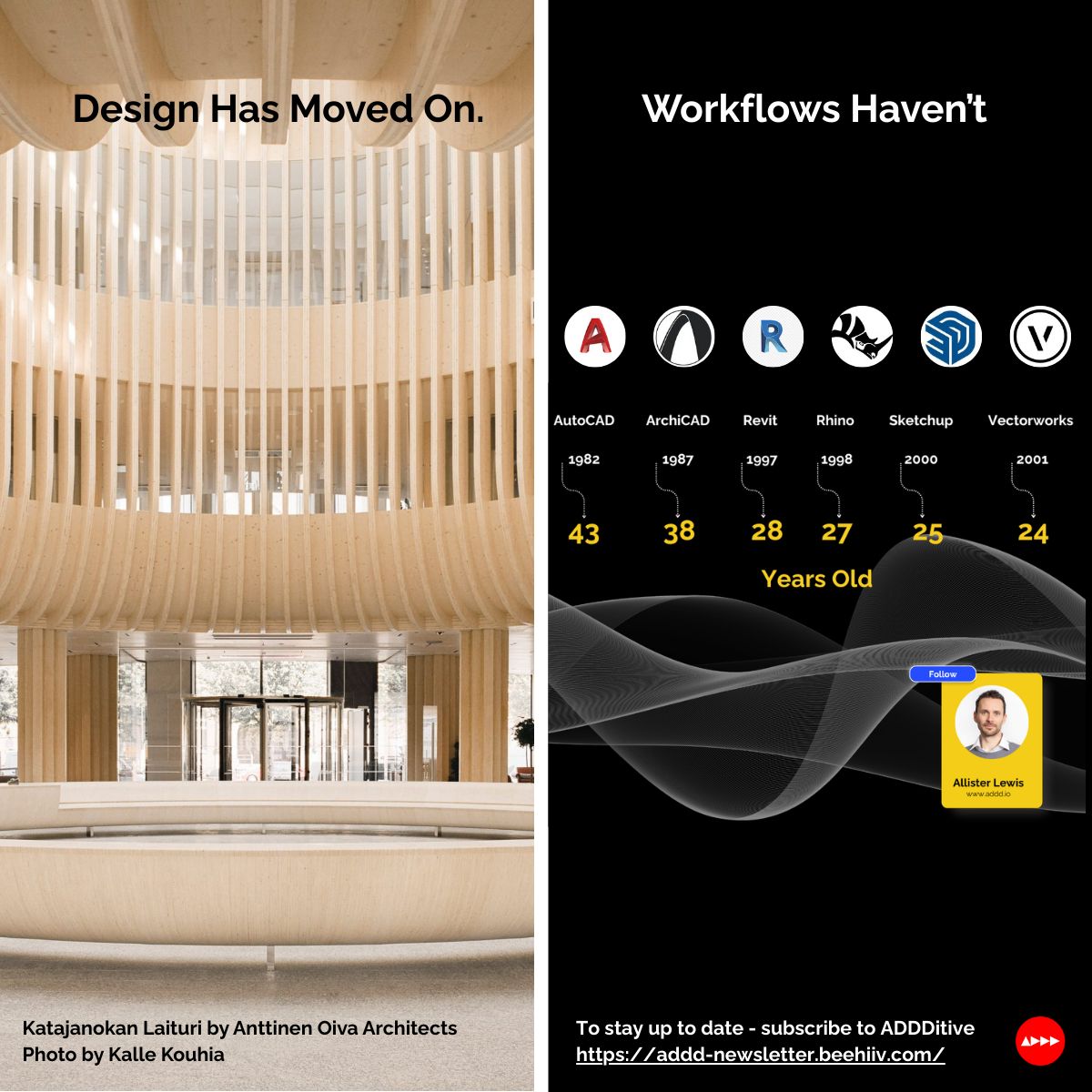
Architects design cutting-edge buildings but deliver them through traditional, manual workflows.
Click here to see the full post: LinkedIn
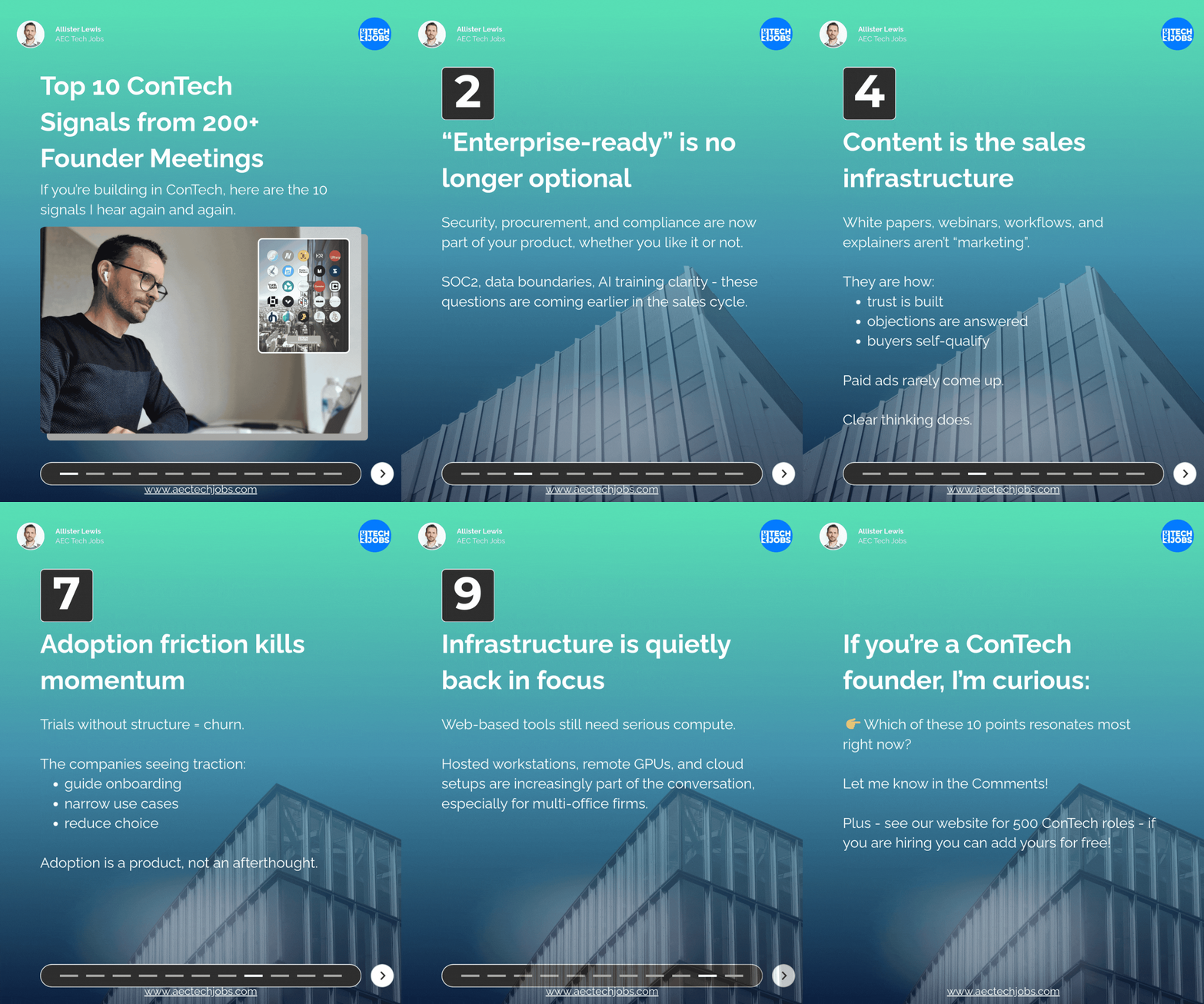
200+ ConTech founder meetings last year. These 10 signals come up every time.
Click here to see the full post: LinkedIn
If you missed these during the week, this is the signal - not the noise.
Theme of the Week: AI Rendering & Visualisation Software
Most conversations about AI rendering and visualisation focus on tools. That’s the wrong starting point.
What AI rendering is actually trying to solve is not simply the production of better images. It is addressing long-standing tensions in architectural communication:
-speed vs certainty
-automation vs accountability
-creativity vs consistency
AI dramatically compresses the time between design intent and visual output. That compression is powerful but it also shifts risk. When images can be produced in minutes rather than days, the key question becomes less about capability and more about commitment. What does this image represent, and how will it be interpreted by clients, consultants, and internal teams?
Where practices often struggle is assuming that adopting an AI rendering tool automatically improves communication. In reality, it often accelerates existing issues rather than resolving them.
Three patterns appear consistently.
First, some tools genuinely replace parts of existing processes. They reduce reliance on long rendering pipelines, specialist visualisation bottlenecks, and late-stage image production. Used deliberately, this can free teams to iterate earlier and communicate intent faster.
Second, some tools expose weaknesses in how work is organised. When prompts, reference material, or design assumptions are unclear, outputs become inconsistent. The problem is not the AI; it is the absence of shared understanding about purpose, audience, and stage.
Third, many tools only perform well when upstream information is structured. Clean geometry, clear intent, agreed visual language, and defined approval stages matter more, not less, when AI is introduced.
This is why AI visualisation often creates tension. Client expectations accelerate, while internal certainty has not yet caught up.
AI rendering is not just a production tool. It is a decision-acceleration tool. Practices that recognise this distinction are far more likely to adopt it productively, rather than expensively.
5 Tools Architects Are Exploring in AI Rendering & Visualisation
Rather than “best tools,” these are tools I’m seeing practices actively evaluate:
xFigura: Design Intelligence with control
Best suited for: Architects / Early Stage Design
Fits in workflow: early-mid
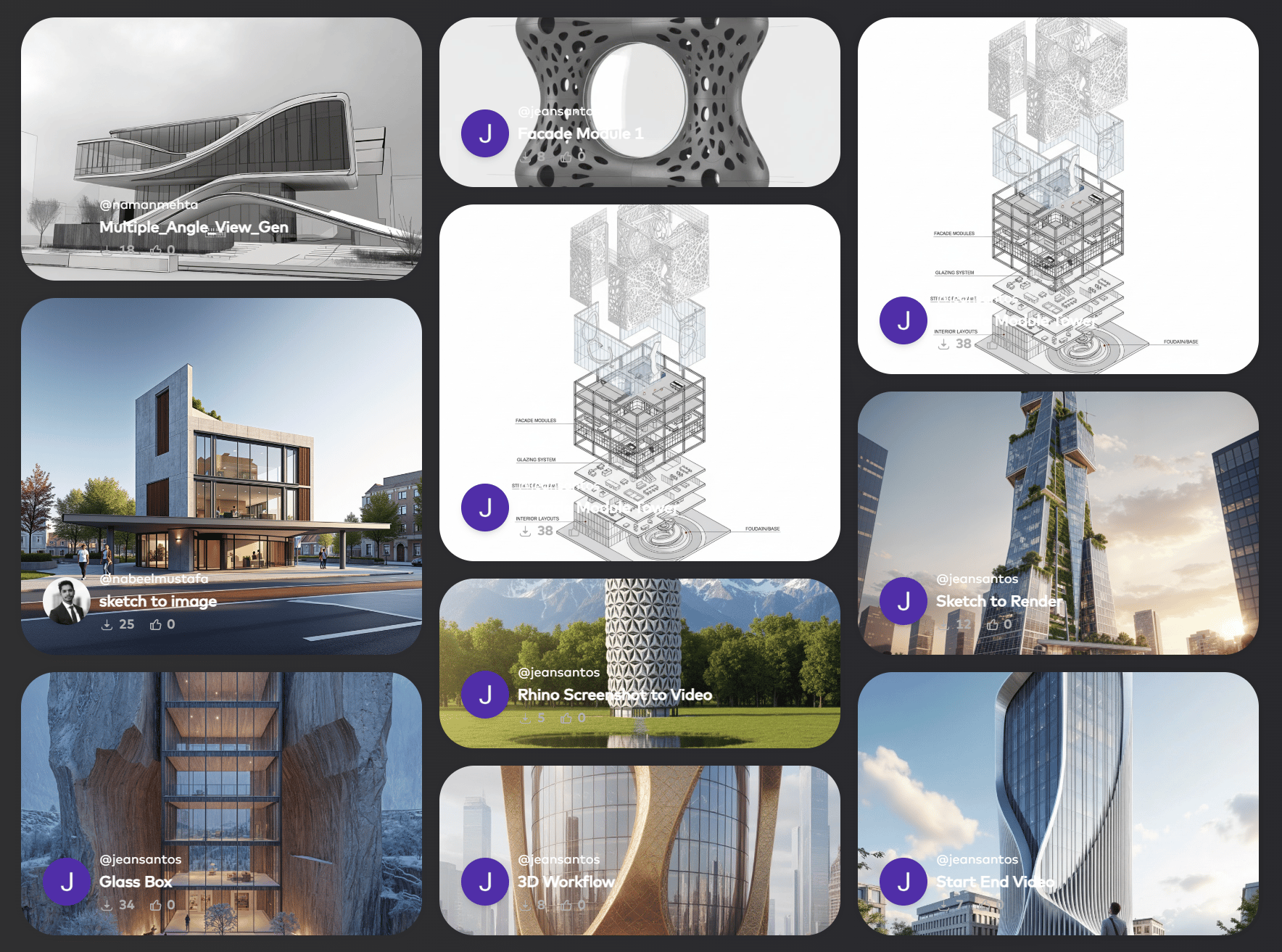
MyArchitectAI - Photorealistic AI rendering in under 10 seconds
Best suited for: Architects /Interior Designers
Fits in workflow: early

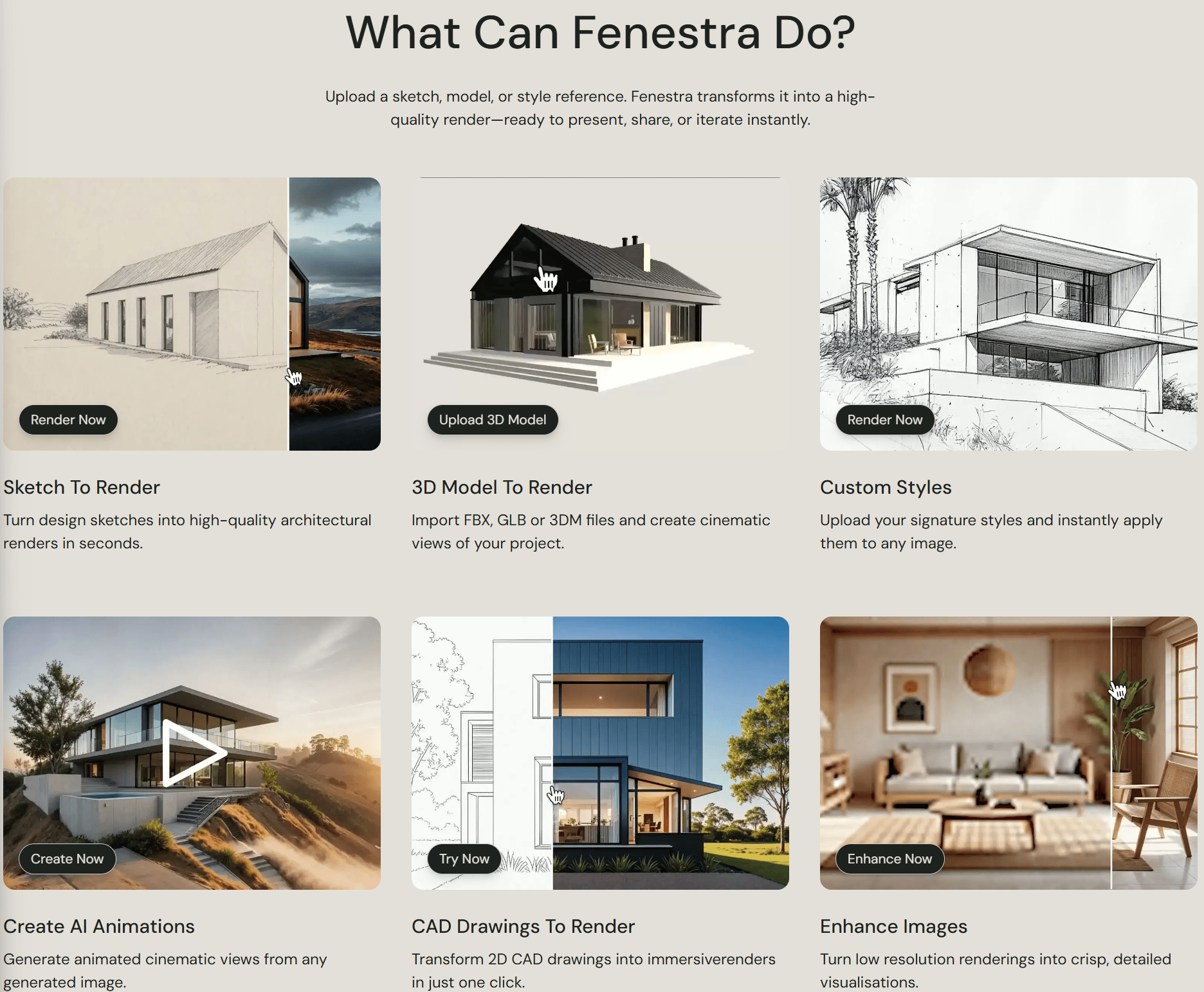
Fenestra - Create, Edit, Enhance and Animate Your Designs
Best suited for: Architects / Designers
Fits in workflow: early-mid
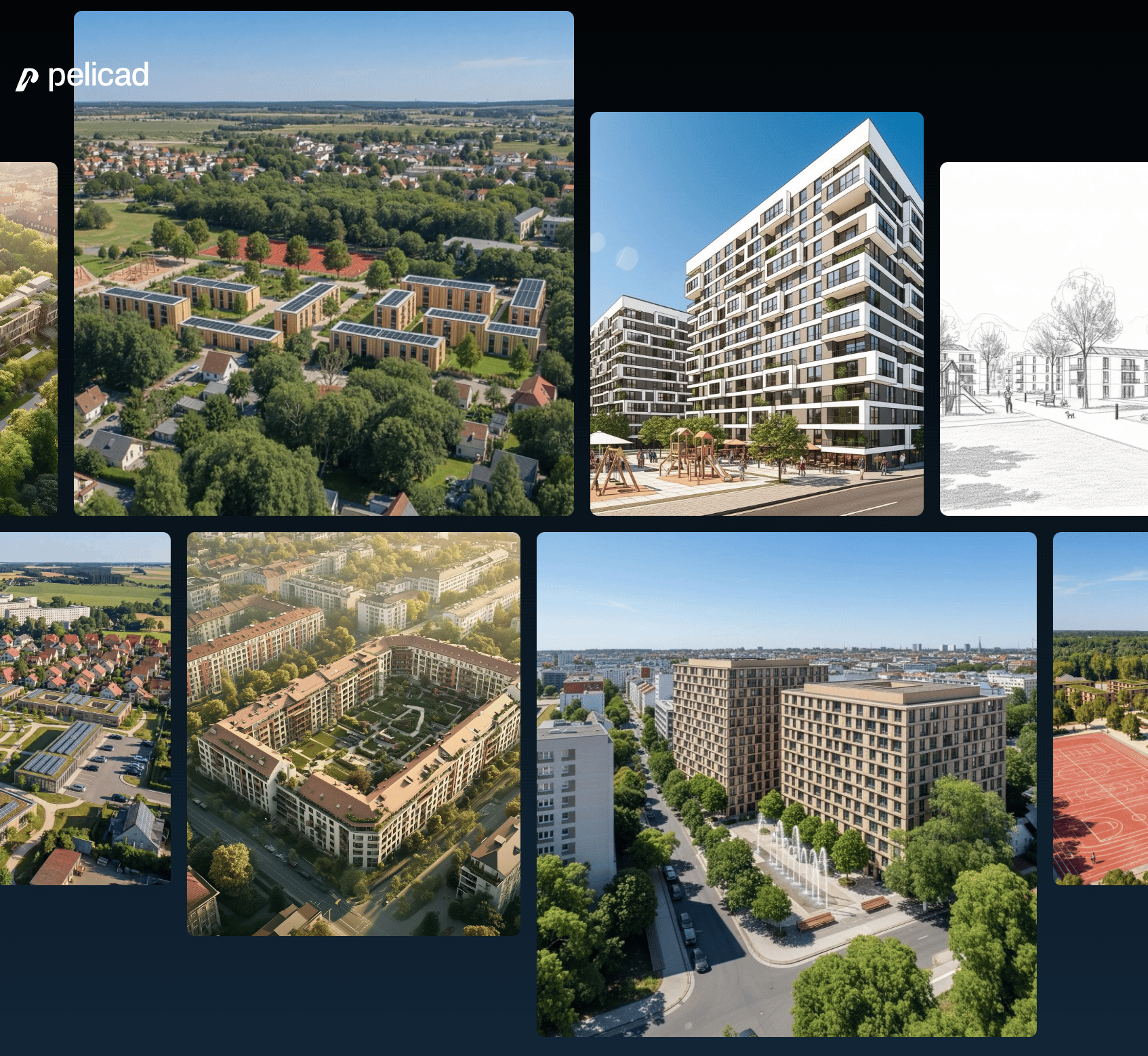
Pelicad- Design at the speed of Thought
Best suited for: Architects and Urban Designers
Fits in workflow: early - mid
Prome - The Ultimate AI Image Generator to Bring Your Creativity into Life
Best suited for: Interior Designers
Fits in workflow: Early - mid

Free Resource: Explore the ConTech Landscape
If you’re scanning this space, I maintain a free ConTech database covering hundreds of tools across architecture, engineering, and construction.
I use it as a starting point before advising practices, not as an answer in itself.
→ Browse the database here: https://contechdatabase.softr.app/

What This Means for Practice Leaders
If you’re leading a practice or digital strategy, software overload affects:
-/ delivery risk
-/ team confidence
-/ long-term competitiveness
The question isn’t whether to adopt new tools.
It’s how decisions are governed, tested, and embedded.
This is where most value is either protected or quietly lost.
Unchecked software sprawl quietly erodes fees, increases costs and reduces confidence in delivery.
One Role Worth Noticing This Week
Architect Who Codes - Reope
Why this role matters:
1.Architects that can code are in demand as it is a rare skillset
2.Reope is an exciting company working with many of the best architecture practices in the world
→ View role: Architect Who Codes - Reope
See all roles here: www.aectechjobs.com/search

One Next Step
If this issue resonated, let’s have a chat:
→ Book a short diagnostic call - https://meetings-eu1.hubspot.com/allister
No pressure, just a next step if useful.
One Question for You
What’s the most frustrating part of your current software search and assessment right now?
Hit reply, I read every response.
This newsletter exists to help architects navigate technology with confidence, not hype by focusing on workflows, decisions, and real practice constraints.
Thanks for reading!
Allister
Reply